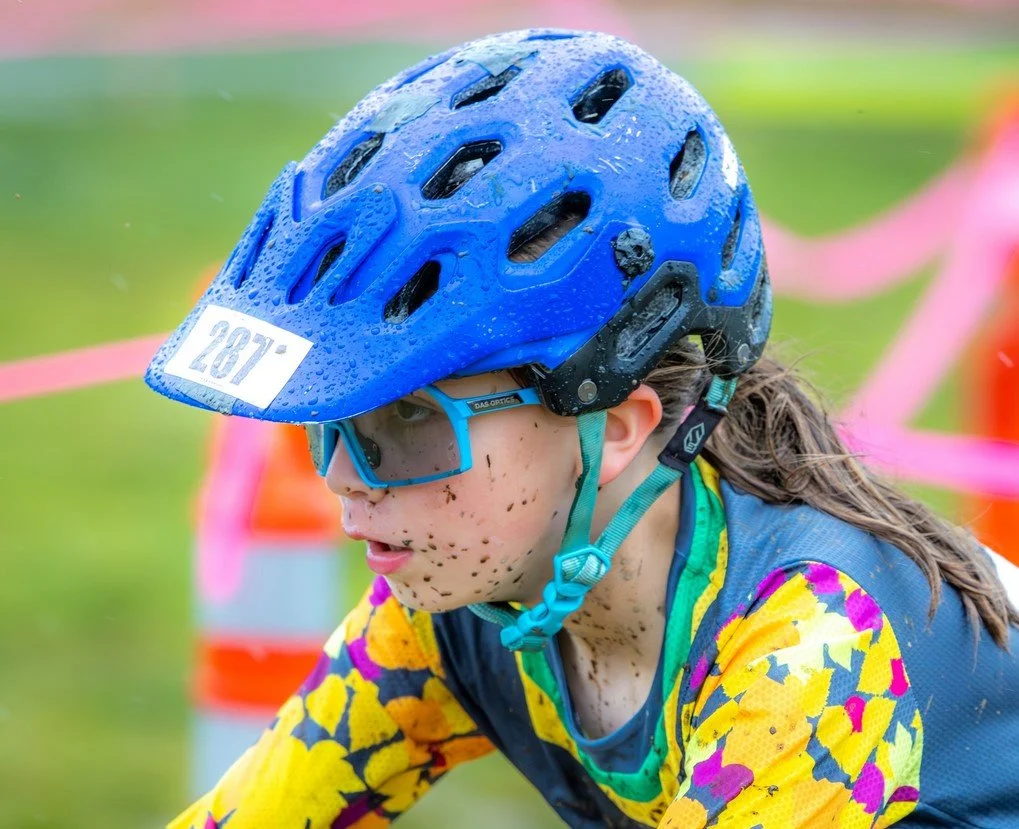
Flying mud is as good a reason as any for kids to wear sunglasses when they mountain bike.
Your kid is sending it down the trail. Rocks are flying, branches are whipping, and the sun is blasting through the trees. The last thing they should be worrying about is their eyes.
If your child rides mountain bikes — whether it's XC, trail, or just ripping around the neighborhood — a solid pair of sunglasses isn't optional gear. It's safety equipment. And finding the right pair for a younger rider isn't as simple as grabbing whatever's on the rack at the bike shop.
Here's what actually matters when choosing youth mountain biking sunglasses, and a few recommendations that won't break the bank.
Why Kids Need Dedicated Riding Glasses
Most parents wouldn't send their kid down a trail without a helmet. But sunglasses get overlooked — and they shouldn't. On a mountain bike, your child's eyes are exposed to UV rays, wind, dust, bugs, mud spray, and low-hanging branches. Even on overcast days, UV exposure at altitude is significant, and a child's eyes are more susceptible to UV damage than an adult's because their lenses haven't fully developed.
Beyond protection, there's a performance element too. Glare and debris cause squinting, which leads to slower reaction times on technical terrain. A good pair of riding glasses keeps their vision clear so they can read the trail ahead.
What to Look for in Youth MTB Sunglasses
Not all sunglasses are built for mountain biking, and not all mountain biking sunglasses fit younger riders. Here's what matters most:
Fit and Retention
This is the number one issue with kids' riding glasses. Adult frames slide down smaller noses and bounce on rough terrain. Look for lightweight frames with rubber nose pads and temple grips that hold position without squeezing. If the glasses shift every time they hit a root, your kid will take them off — guaranteed.
Lens Coverage and Protection
Mountain biking means debris from every angle. Wraparound or semi-wraparound designs offer the best coverage without blocking peripheral vision, which is critical for spotting obstacles on the trail. Make sure the lenses provide 100% UV protection (UV400) — this is non-negotiable regardless of price point.
Durability
Kids crash. Kids drop things. Kids sit on things. The sunglasses need to survive all of it. Polycarbonate lenses are the standard for impact resistance, and flexible frame materials like TR90 or grilamid can take a beating without snapping.
Lens Tint for Trail Conditions
Trail riding throws a lot of light variation at your eyes — bright sun on the ridgeline, deep shade in the trees, and everything in between.
Amber or rose tints are the most versatile for trail riding. They boost contrast without being too dark in shaded sections.
Smoke or gray lenses work best for full-sun riding but can be too dark for wooded singletrack.
Clear or light yellow lenses are ideal for overcast days, early morning rides, or heavily wooded trails.
If your kid rides in varied conditions, having a pair with interchangeable lenses — or simply owning two affordable pairs — gives them the most flexibility.
Helmet Compatibility
This one seems obvious but gets missed. Some sunglasses don't sit right under a mountain bike helmet visor, or the temple arms interfere with the helmet's retention system. Always test the glasses with the helmet on before hitting the trail.
How Much Should You Spend?
Here's the truth: you don't need to spend $150+ on youth riding glasses. Kids grow fast, they lose things, and premium features like photochromic lenses are wasted on a ten-year-old who's going to leave them on the shuttle bus.
The sweet spot for youth mountain biking sunglasses is $20–$50. At that range, you can get polycarbonate lenses, UV400 protection, lightweight frames, and a secure fit — everything your kid actually needs on the trail. Save the boutique eyewear for when they stop growing out of their gear every season.
Our Pick: Das Optics
Full transparency — you're reading this on the Das Optics blog, so take this with the appropriate grain of salt. But here's why we built our brand the way we did.
Das Optics makes lightweight, performance-driven sunglasses and goggles — all under $50. We're a father-son operation based in Driggs, Idaho (about 10 minutes from Grand Targhee, if that tells you anything about our backyard). We designed our eyewear for exactly the kind of riding we're talking about here: long days outside, rough conditions, and no interest in paying luxury prices for what should be standard protection.
Every pair ships with polycarbonate lenses, full UV400 protection, and frames built to handle the abuse that comes with mountain biking. They're light enough that kids forget they're wearing them — which is exactly what you want on a technical descent.
The Give-Back Angle
Here's the part we're most proud of: every pair of Das Optics sunglasses or goggles sold generates a $10 donation to a nonprofit, sports team, or event of the customer's choosing. That means when your local mountain bike club buys eyewear for their junior team, those purchases are also funding the trails, programs, and organizations that keep kids riding.
We've distributed donations across youth cycling teams, trail advocacy groups, and community sports organizations around the country. If your team or club is looking for a fundraising partner that doesn't ask anyone to sell candy bars, get in touch — we'd love to talk about how we can work together.
Quick Checklist Before You Buy
Before dropping money on youth mountain biking sunglasses, run through this list:
UV400 protection? Non-negotiable.
Polycarbonate lenses? Impact resistance matters on a mountain bike.
Lightweight frame with rubber grips? If they slide, they'll get tossed in a jersey pocket.
Wraparound coverage? Protects against debris without killing peripheral vision.
Works with their helmet? Test it before the ride, not during.
Under $50? Save the premium spend for when they stop growing.
Get Them Out There
The best sunglasses for youth mountain biking are the ones your kid will actually wear — every ride, no complaints. Focus on fit, protection, and durability over brand names and flashy features. If you find a pair that checks those boxes and puts money back into the cycling community while you're at it, even better.
Happy trails.